Published March 20, 2023 | Last updated August 12, 2026
Just thinking about spiders in my camper makes the hair on my arms stand up.
I hate spiders. Bugs of any kind inside my camper are a big nope for me. I once found a big spider in my kitchen, and thankfully he seemed to be the only one. My husband, Todd, had to be the hero and get rid of it.
Todd and I live full-time in our fifth wheel, so keeping bugs out is not just a weekend camping issue for us. This is our home.
You may never make an RV completely spider-proof, but you can make it much harder for them to get inside and a lot less inviting once they do.
How Do Spiders Get Into a Camper?
Spiders can get into a camper through surprisingly small openings around doors, windows, slide seals, vents, plumbing lines, wiring, storage bays, underbelly gaps, and torn screens.
They can also hitch a ride inside on camping gear, firewood, outdoor rugs, shoes, chairs, storage bins, and anything else you bring in from outside.
RVs also have plenty of dark, quiet hiding places: cabinets, closets, basement storage, under beds, behind appliances, and around plumbing.
The goal is not just to kill the spider you see. The better strategy is to block the entry points and reduce the things that attract spiders in the first place.
1. Keep Your Camper Clean and Clutter-Free
Spiders like dark, quiet places where they will not be disturbed. Clutter gives them more places to hide.
Vacuum regularly, especially along baseboards, in corners, under furniture, inside cabinets, and around the bed.
- Cabinets and closets
- Under the bed and furniture
- Basement storage bays
- Around plumbing openings
- Behind the toilet
- Around the furnace and vents
- Under the dinette or sofa
If you see webs, egg sacs, or dead bugs, clean them up right away. The fewer insects you have inside, the less reason spiders have to stick around.
2. Check Screens, Windows, and Door Seals
Screens are your first line of defense when you want fresh air without inviting bugs inside.
Check every window screen for tears, loose corners, or gaps around the frame. Do the same with the screen door and weather stripping around the main entry door.
- Main entry door
- Screen door
- Window frames
- Emergency exit windows
- Slide-out seals
- Pass-through and basement storage doors
If weather stripping is cracked, loose, or flattened, replace it. A tiny gap to us can be a wide-open door to a spider.
3. Seal Gaps Around Plumbing, Wires, and Vents
This is one of the most RV-specific things you can do.
Campers have holes for plumbing, wiring, propane lines, vents, drains, and appliances. Some are sealed well from the factory. Some are not.
Look inside cabinets and storage areas where pipes or wires pass through floors and walls. Seal obvious gaps with the right material for that location.
- Exterior-grade caulk
- Pest-blocking expanding foam
- Steel wool combined with sealant where appropriate
- Replacement weather stripping
- RV-safe sealant
Do not block anything that requires airflow, especially appliance, furnace, refrigerator, water-heater, or propane areas. If you are unsure, ask an RV technician before sealing it.
4. Clean Your Basement Storage Bays
Basement storage compartments are dark, quiet, close to the ground, and easy to ignore. In other words, perfect spider territory.
Every so often, take everything out and vacuum or sweep the bay. Check the corners and compartment-door seals while you are there.
I also prefer storage bins with tight-fitting lids. I would much rather open a sealed plastic bin than reach into a dark compartment and wonder what is living in there.
5. Be Careful Where You Park Your Camper
Sometimes spider prevention starts before you even set up camp.
Brush, wood piles, tall grass, leaves, and low-hanging branches all give spiders and other insects an easy path toward your RV.
- Low-hanging branches touching the RV
- Thick bushes against the campsite
- Wood or leaf piles beside the camper
- Tall grass around the RV
You cannot always choose a perfectly open campsite, but when you have a choice, a little space around the RV helps.
And keep firewood away from the camper. It can bring all kinds of insects close to your RV.
6. Shake Out Outdoor Gear Before Bringing It Inside
Sometimes spiders get inside because we carry them in ourselves.
Give outdoor items a quick shake or inspection before bringing them into the camper, especially if they sat outside overnight or were stored under the RV.
- Shoes and boots
- Folded chairs
- Towels and blankets
- Pet beds
- Storage totes
- Grill covers
- Fishing gear and outdoor toys
It takes a few seconds and can prevent an unpleasant surprise later.
7. Do Not Rely on Spider-Repelling Scents Alone
People often recommend peppermint, citrus, lavender, cedar, vinegar, or cinnamon for spiders.
I would not treat any of them like a magic force field. A peppermint spray will not seal a hole in your camper.
Cedar blocks or sachets are simple options for closets and storage areas. If you use sprays or essential oils, be especially careful around pets, kids, food areas, electrical components, and appliance vents.
Sealing entry points and reducing bugs matter much more than any scent.
8. Reduce the Bugs That Spiders Eat
Spiders go where the food is.
If your camper has flies, mosquitoes, ants, gnats, or other insects, spiders have a reason to stay.
- Keep food sealed
- Take trash out regularly
- Wipe counters and clean crumbs
- Do not leave dirty dishes overnight
- Keep pet food sealed
- Turn off unnecessary exterior lights
- Do not leave sweet drinks sitting outside
Reduce the bugs and you reduce the spider buffet.
9. Use Pesticides Carefully If You Need To
I would rather keep spiders from getting inside than spray chemicals all over my camper.
But if you need pest control, read the product label carefully and make sure it is appropriate for the area where you plan to use it. Be extra cautious around kids, pets, bedding, and food-prep areas.
Glue traps can help show whether spiders are getting inside and where they may be traveling, but only place them where pets, children, and bare feet cannot reach them.
For a serious infestation, I would call a professional pest-control company and ask about options suitable for an RV.
How to Keep Spiders Off the Outside of Your Camper
You will never keep every spider off the outside of an RV. You are parking their home in the middle of their home.
Still, you can make the area less inviting. Keep branches and brush from touching the RV, sweep away webs, clean around the steps and hitch, and do not stack firewood against the camper.
Outdoor lights also attract insects, which attract spiders. Use exterior lights when you need them, then turn them off.
Is There a Permanent Way to Keep Spiders Out of an RV?
Not completely.
As long as your camper sits outside, spiders will be around. The best you can do is stay consistent with the basics:
- Seal gaps
- Repair screens
- Replace worn weather stripping
- Keep the RV clean and uncluttered
- Reduce the bugs spiders eat
- Inspect outdoor gear before bringing it inside
What About Spiders Near the Bed?
Keep the sleeping area clean, vacuum under and around the bed, and check corners, windows, and storage areas nearby.
If your bed has storage underneath, open it and clean it regularly. Dark storage spaces can become hiding places when they are never disturbed.
I would also be cautious about relying on ultrasonic plug-in devices. Cleaning, sealing, and reducing insects are much more important.
What About Dangerous Spiders?
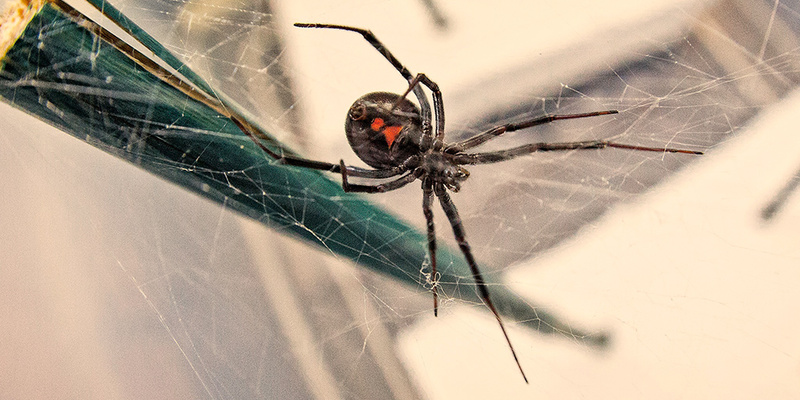
Most spiders are more creepy than dangerous, but black widows and brown recluses are two species campers commonly worry about.
Be careful when reaching into dark storage spaces, handling firewood, or picking up gear that has been sitting outside. Wear gloves when it makes sense and shake out shoes, towels, and blankets before using them.
If you think you have a dangerous-spider problem in your RV, that is a good time to call a pest-control professional.
Final Thoughts on Keeping Spiders Out of Your Camper
I know spiders are good for the ecosystem. I really do.
But that does not mean I want them in my camper.
The best approach is simple: seal the gaps, fix the screens, clean the hidden spaces, reduce the insects spiders eat, and pay attention to what you bring inside.
You may never keep every spider away, but you can make your camper a lot less inviting.
Related Reading
- How to Keep Mosquitoes Out of Your RV
- How to Set Up an Outdoor Movie While Camping
- 17 Essential RV Spare Parts to Carry
About the Author:
Terri Nighswonger and her husband Todd have been RVing and work camping for five years with their Cavalier King Charles Spaniel, Newton, and their Minnie Australian Shepherd, Remi.
They originate from the Midwest but plan to enjoy the West for a few years, wintering in Arizona and summering wherever the road may lead. Writing is Terri’s passion, but she also loves hiking, kayaking, walking her dogs, and anything she can do outdoors.