Updated August 13, 2026
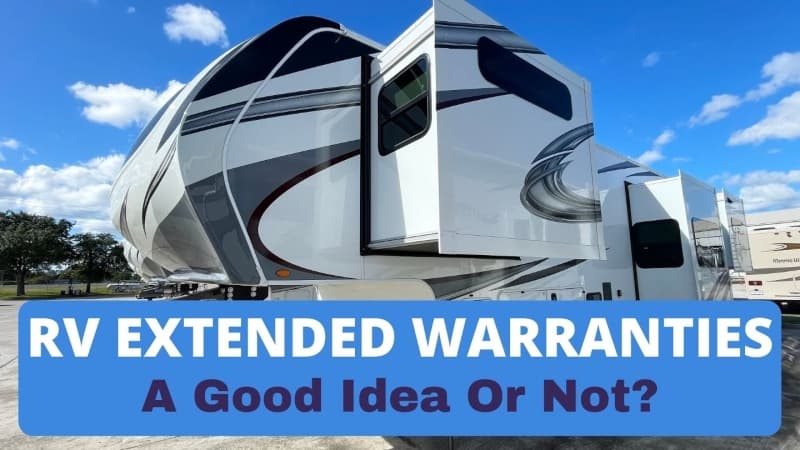
If you are buying a travel trailer or fifth wheel, one of the questions that usually comes up is whether an RV extended warranty is actually worth paying for.
My answer is: it can be, but it depends on how you camp, how much financial risk you are willing to take, and how easy it will be for you to get repairs done.
I know that sounds less exciting than “everyone needs a warranty,” but I think it is the right way to look at it.
Susan and I carry an extended warranty on our Class A motorhome, and we have saved far more on covered repairs than we paid for the policy. Our warranty has covered all three of our slide-outs more than once, a broken entry-step motor, a blown hydraulic hose in the leveling system, and an A/C repair.
That is a motorhome, not a towable, so I am not going to pretend those exact repairs prove every travel trailer owner needs the same coverage. But our experience has absolutely changed how I think about RV warranties in general.
What Is an RV Extended Warranty?
An RV extended warranty is really an extended service contract. You pay for coverage, and if a covered mechanical or electrical component fails, the warranty administrator pays for the approved repair subject to the terms of your contract and deductible.
That last part matters: the contract controls what is covered.
Do not buy any warranty based only on a salesperson saying, “Don’t worry, you’re covered.” Read the contract, especially the exclusions.
Is a Travel Trailer Extended Warranty Worth It?
I think it is worth serious consideration if a large unexpected repair bill would hurt your budget or if you travel far enough from home that getting back to your selling dealer would be a major hassle.
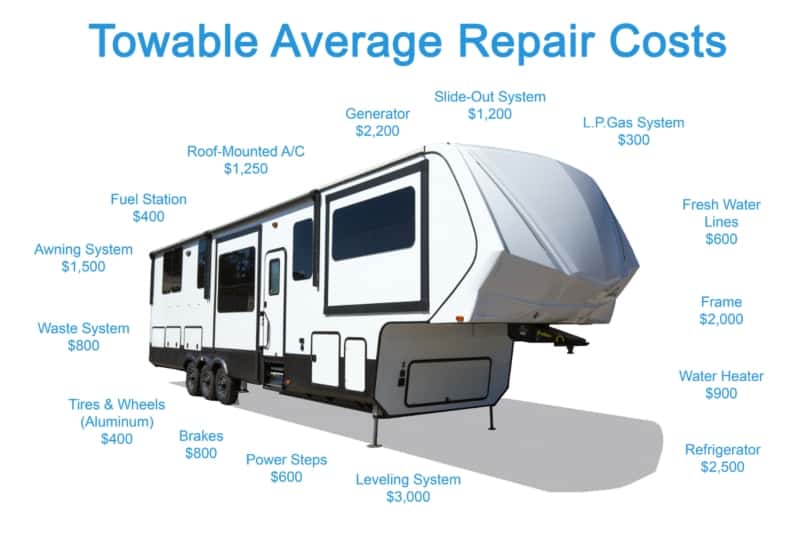
A towable does not have an engine or transmission, so your catastrophic repair exposure is generally lower than it is with a motorhome. But travel trailers and fifth wheels can still have expensive components:
- Slide-out mechanisms and motors
- Air conditioners
- Refrigerators
- Leveling and landing-gear systems
- Water heaters and furnaces
- Electrical components
- Other mechanical systems depending on the RV and the contract
Wholesale Warranties currently offers towable plans that can include exclusionary coverage, meaning covered mechanical components are generally included unless specifically listed under the contract’s exclusions. Pre-existing conditions, routine maintenance, and many cosmetic or structural items are typically excluded, so you still need to read the actual agreement you are offered.
The Biggest Reason I Like Our Warranty Has Nothing to Do With the Dealer
One of the best parts of our warranty has been the ability to use mobile RV technicians.
That matters a lot more to me now than it did when I first started RVing.
For some reason, many dealerships seem unable to diagnose a problem, order the part, and make the repair within a week. I have talked to service managers about this and I usually get the same mystified look, as if doing all three things that quickly is impossible.
Mobile RV techs do it routinely.
We have been able to have repairs handled at or near our campsite instead of leaving our RV at a dealership for weeks or months. Wholesale Warranties currently allows covered repairs at licensed repair facilities and mobile RV mechanics, subject to the terms of the individual policy.
For someone who travels a lot, that flexibility can be every bit as valuable as the repair coverage itself.
When Should You Buy an RV Extended Warranty?
I bought ours as soon as we took possession of the RV.
Why? Because we travel extensively and we are rarely close to the dealership where we bought the RV. Relying on the selling dealer for warranty work was not realistic for us.
But that does not mean every buyer should make the same decision.
If you are a weekend warrior who camps close to home and your dealer has a good service department, you may be comfortable relying on the manufacturer warranty while the RV is new and considering extended coverage later.
If you are going to travel across the country right away, I would think about your repair strategy before you leave the dealership.
Exclusionary vs. Listed-Component Coverage
This is one of the most important distinctions to understand.
Exclusionary coverage tells you what is not covered. If the failed mechanical component or cause of failure is not excluded, it is generally covered under the contract.
Listed-component coverage works the opposite way. The contract lists the components that are covered. If your failed component is not on the list, you should not expect the warranty to pay for it.
Exclusionary coverage is usually broader and more expensive. Listed-component coverage can cost less but puts more risk back on you.
I prefer reading a short list of exclusions rather than trying to guess whether a specific component made it onto a long list of covered parts.
What an RV Extended Warranty Usually Does Not Cover
This is where buyers get into trouble if they do not read the contract.
- Pre-existing conditions
- Routine maintenance
- Normal wear items
- Damage caused by collision, weather, neglect, or improper maintenance when excluded by the contract
- Many cosmetic and structural items
Coverage varies by contract, so use this list only as a starting point.
One Downside We Have Experienced
Our experience has been very positive, but there is one frustration I think buyers should know about.
Sometimes a mobile RV tech can diagnose the problem and is ready to make the repair immediately, but the warranty company still needs to approve the claim first.
We have occasionally had to wait a day or two for approval before the repair could begin.
I understand why authorization is required, but when the RV tech is standing there ready to fix the problem, waiting is frustrating.
Why We Chose Wholesale Warranties
We chose Wholesale Warranties, and based on our own claims history, I would buy coverage from them again.
The biggest reasons are simple:
- Our covered claims have saved us more than we paid for the warranty.
- We can use licensed repair facilities and mobile RV techs instead of being tied to the selling dealer.
- They offer different coverage levels rather than one generic plan.
- They provide access to sample contracts so you can review the coverage and exclusions before buying.
I would still compare the actual contract, deductible, exclusions, claim limits, and price before signing anything.
Questions to Ask Before Buying a Travel Trailer Warranty
- Is the plan exclusionary or listed-component coverage?
- What is the deductible, and is it per repair visit or per component?
- Can I use a mobile RV technician?
- Can I use any licensed repair facility while traveling?
- What items and causes of failure are specifically excluded?
- Are there claim or labor-rate limits?
- Is coverage available for my style of RV use?
- Is the policy transferable or cancelable if I sell the RV?
Who Probably Needs an Extended RV Warranty Most?
I would look hardest at coverage if you are buying a towable with multiple slide-outs, leveling systems, residential-style appliances, lots of electronics, or other expensive systems.
I would also consider it if you travel extensively, buy used, or would rather pay a predictable premium and deductible than take the risk of a large repair bill.
On the other hand, if you have a simple trailer, do most repairs yourself, maintain a healthy repair fund, and are comfortable taking the risk, self-insuring may make more sense.
My Bottom Line
I would not tell every travel trailer buyer that an extended warranty is mandatory.
But I also would not dismiss one just because the RV is new or because the dealer says they will take care of you.
Think about how you actually plan to camp.
If you are going to be hundreds or thousands of miles from your selling dealer, having the freedom to use a licensed repair facility or mobile RV technician can change the entire repair experience.
That flexibility, combined with what we have saved on our own covered repairs, is why I would buy an extended RV warranty again.
If you want to compare coverage and pricing, you can get a free quote from Wholesale Warranties here.
Related Reading
About the Author:
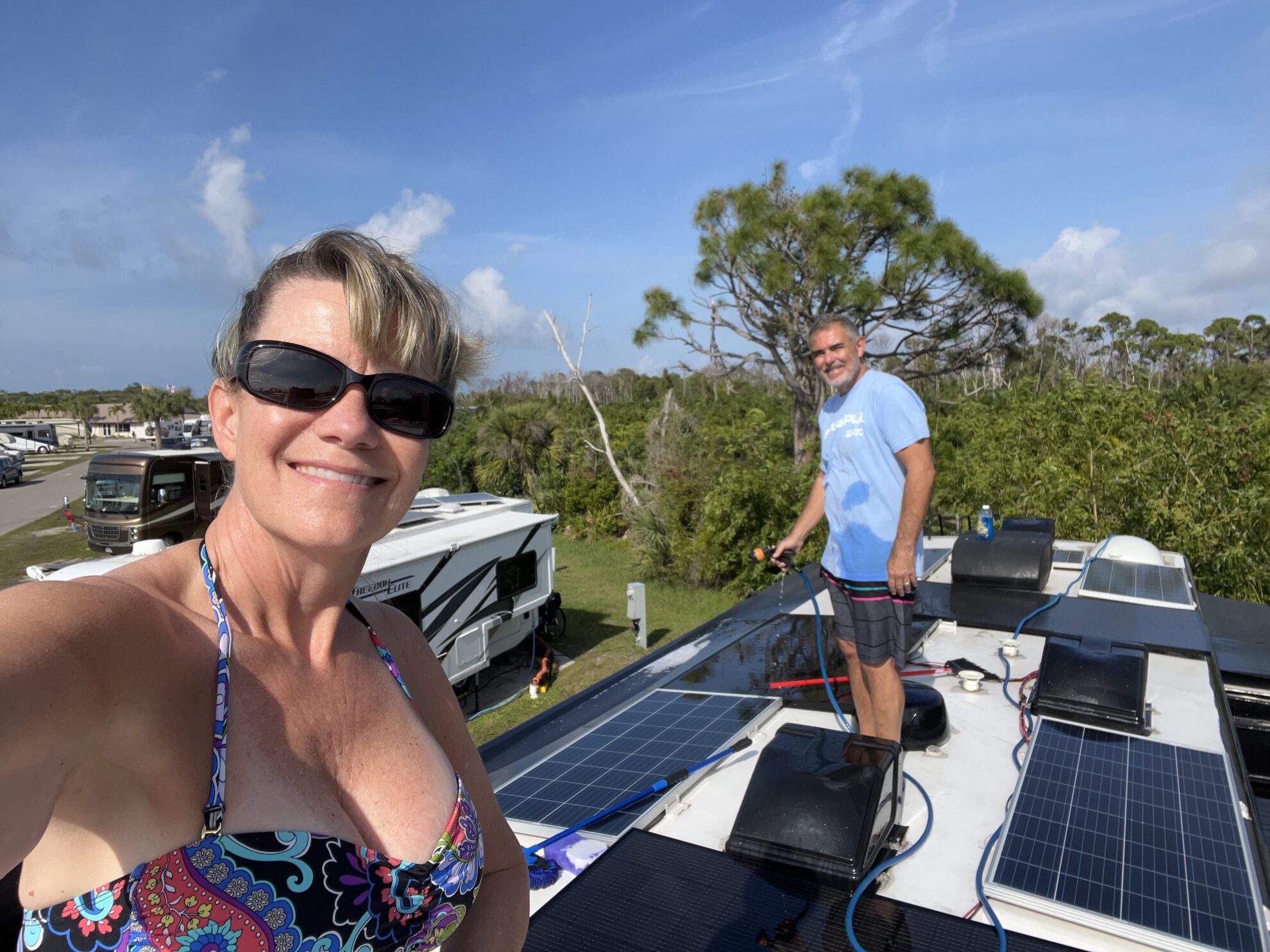
Hi, I’m Mike Scarpignato, co-founder of TravelTrailerPro.com, RVBlogger.com, and MotorhomeFAQs.com.
My wife, Susan, and I have been creating RV content since 2018. We travel the country visiting RV shows, touring dealerships, reviewing campers, testing gear, and spending plenty of time camping in our motorhome. Most of what we share comes from actually using RVs, making mistakes, fixing problems, and learning what works in the real world.
Susan is usually behind the camera on our RVBlogger YouTube channel, which has more than 215,000 subscribers. We also run RV Camping for Newbies, a private Facebook group with more than 275,000 members, and publish four weekly RV newsletters reaching more than 85,000 subscribers.
Our goal is simple: help beginners and experienced RVers choose the right RV, avoid expensive mistakes, and enjoy the RV lifestyle with a little less frustration.