Published September 29, 2022 | Last updated June 28, 2026
If you tow a travel trailer long enough, you are going to ask this question sooner or later: should you grease the hitch ball or leave it dry?
For most standard trailer setups, yes, you should grease it.
But I would not turn that into some universal rule that applies to every hitch, every sway control setup, and every towing situation. That is where people get into trouble.
The better answer is this: a light coat of grease on the hitch ball is usually the right move unless your hitch or sway control manufacturer specifically says otherwise.
The Short Answer
Yes. In most cases, a trailer hitch ball should be lightly greased.
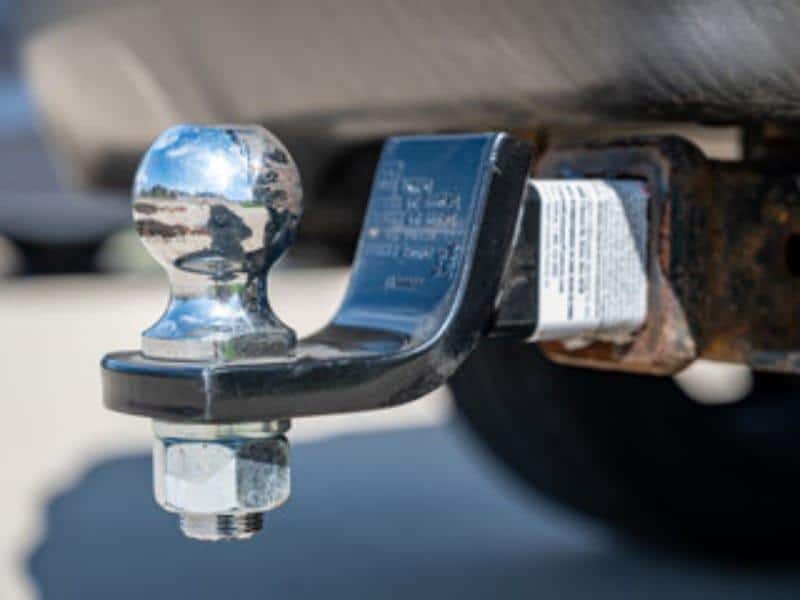
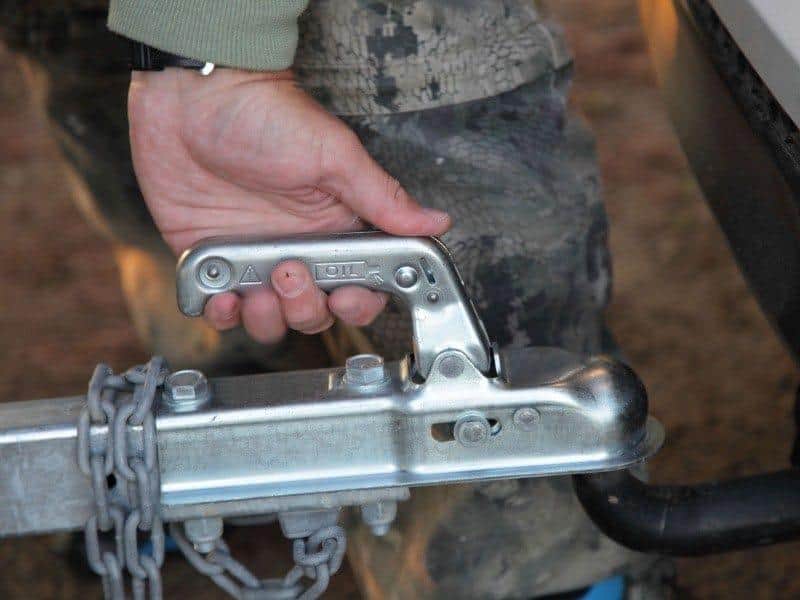
The trailer coupler is riding on that ball every mile you tow. Metal is rubbing on metal. That creates friction, wear, noise, and eventually rust if you ignore it long enough.
A little grease helps the coupler move more smoothly and helps protect the ball from corrosion. That is the upside.
The downside is when people get carried away, slap on way too much grease, and turn the hitch into a dirt magnet. You want a light coating, not a greasy mess all over your hands, clothes, and tailgate.
Why Greasing the Hitch Ball Usually Makes Sense

1. It Cuts Down on Friction
This is the big one. The coupler pivots and moves on the ball while you tow. Grease helps reduce that metal-on-metal friction.
2. It Helps Fight Rust
A bare hitch ball is out there taking rain, road spray, humidity, and whatever else the road throws at it. A light coat of grease gives it some protection.
3. It Can Make Hitching and Unhitching Easier
When the ball is dry and rough, things do not move as smoothly. A little grease can help the coupler slide and release more easily.
4. It Can Help Reduce Noise and Wear
If your hitch setup is squeaking because of dry friction, grease can help. It also helps reduce unnecessary wear over time.
When You Should Not Just Assume Grease Is Fine
This is where a lot of articles go off the rails.
Not every hitch setup should be treated exactly the same. Some sway control systems, weight distribution hitches, and specialty towing setups have specific lubrication instructions. Some parts may need grease. Other parts may need to stay dry on purpose.
So no, I would not tell somebody to just grease everything and call it a day.
If you have a friction sway control system or anything more specialized than a plain basic ball-and-coupler setup, read the manual. That is the right answer, not guesswork.
What Kind of Grease Should You Use?
A standard hitch ball grease or white lithium grease is fine for many normal towing setups.
You are not trying to overcomplicate this. You just want a grease that gives you a decent lubricating barrier and stays put reasonably well.
I would be careful about treating light spray lubricants like they are the same thing as real grease. Some sprays are fine for certain uses, but many are better cleaners or light lubricants than true long-lasting protection under load.
If you want a few practical choices, here is how I would look at it.
1. Dedicated Hitch Ball Grease
Dedicated Hitch Ball Grease is usually the cleanest recommendation because it is made specifically for this job. If somebody wants the most straightforward choice, this is probably the one I would point them to first.
2. White Lithium Grease
White Lithium Grease is a solid general-purpose option and easy to find. It works well for a lot of standard towing setups and is probably the simplest fallback choice if you do not have a dedicated hitch product in front of you.
3. Gel-Style Hitch Lubricant
If you want something a little easier to control and a little less messy, a gel-style hitch lubricant is worth a look. This can be a good option for people who hate dealing with grease all over their hands.
Again, if your hitch manufacturer recommends something specific, use that.
How Much Grease Should You Use?
Not much.
This is one of those simple jobs people make messy for no reason.
You only need a light coat over the part of the ball that actually contacts the coupler. If grease is slinging everywhere, coating your pants, or grabbing every bit of road grit it can find, you used too much.
- Wipe the ball clean first
- Apply a thin coat of grease
- Spread it evenly over the contact area
- Wipe off the excess
That is it. You do not need to bury the thing in grease.
Should You Grease a Rusty Hitch Ball?

No. Grease protects a good surface. It does not magically fix a bad one.
If the ball already has surface rust, clean it first. If it is badly pitted, rough, or damaged, replace it. Hitch balls are not expensive enough to play games with when towing safety is involved.
How to Grease a Trailer Hitch Ball
- Wipe the hitch ball clean.
- Inspect it for rust, pitting, or obvious damage.
- Apply a thin coat of the right grease.
- Spread it evenly over the contact area.
- Wipe off the excess.
- Check it again after towing and reapply as needed.
It is not complicated. It just needs to be done properly.
Common Mistakes I Would Avoid
- Using way too much grease
- Ignoring the manual for your specific hitch or sway control system
- Greasing over rust instead of cleaning or replacing the ball
- Letting old grease build up into a gritty mess
- Assuming every towing setup works the same way
My Bottom Line
For most basic trailer couplers, yes, grease the hitch ball.
Just do not get lazy and turn that into a one-size-fits-all answer. A little grease is usually smart. Blindly greasing every part of a hitch system is not.
If you want the best approach, keep the ball clean, inspect it regularly, use a light coat of grease when it makes sense, and follow the instructions for your exact hitch and sway control setup.
Related Reading:
– How To Release A Trailer Hitch That’s Stuck On A Ball
– How To Stop A Trailer Hitch From Squeaking
– A Closer Look at Andersen Ultimate Hitch Failures and Problems
About the Author:
Hi, I’m Mike Scarpignato, co-founder of TravelTrailerPro.com, RVBlogger.com, and MotorhomeFAQs.com.
My wife, Susan, and I have been creating RV content since 2018. We travel the country visiting RV shows, touring dealerships, reviewing campers, testing gear, and spending plenty of time camping in our motorhome. Most of what we share comes from actually using RVs, making mistakes, fixing problems, and learning what works in the real world.
Susan is usually behind the camera on our RVBlogger YouTube channel, which has more than 215,000 subscribers. We also run RV Camping for Newbies, a private Facebook group with more than 275,000 members, and publish four weekly RV newsletters reaching more than 85,000 subscribers.
Our goal is simple: help beginners and experienced RVers choose the right RV, avoid expensive mistakes, and enjoy the RV lifestyle with a little less frustration.